Tunis-Carthage Airport Transfer Options: Your Gateway to Tunisia's Capital and Ancient Carthage
Tunis-Carthage Airport serves Tunisia's capital and the ancient city of Carthage. This international airport welcomes visitors to vibrant Tunis medina (UNESCO World Heritage) with souks and historic mosques, legendary ruins of ancient Carthage including Byrsa Hill and Antonine Baths, charming blue-and-white village of Sidi Bou Said overlooking Mediterranean, beautiful beaches of La Marsa and Gammarth, and gateway to Tunisia's diverse attractions. Located 8 kilometers northeast of Tunis city center in Carthage area, the airport provides access to Tunisia's capital region and historical treasures.
Popular Transfer Routes from Tunis-Carthage Airport
Choose from our most popular transfer destinations:
Private transfers provide the ultimate convenience and comfort for traveling from Tunis-Carthage Airport to your destination. Your professional driver will meet you at arrivals with a personalized sign, assist with your luggage, and transport you directly to your hotel, villa, or resort in a modern, comfortable vehicle.
- Direct door-to-door service to any destination
- No waiting or shared stops
- Professional drivers with local knowledge
- Fixed, transparent pricing with no hidden fees
- Available 24/7 throughout the year
- Air-conditioned comfort
- Child seats and special requirements accommodated
- English, French, or Arabic-speaking drivers
- Luxury vehicles available (Premium and First Class)
- Ideal for reaching all destinations
- Perfect for travelers with luggage and families
- Premium service at higher cost than public transport
- Advance booking recommended
- Night surcharges may apply (22:00-06:00)
JamTransfer specializes in premium Tunis-Carthage airport transfers.
Bus services from Tunis-Carthage Airport provide connections to main destinations.
- Most economical option
- Services to main towns
- Good for budget travelers
- Limited frequency
- No direct service to many hotels
- Can be crowded
- Limited evening service
- Not practical with heavy luggage
Train services are very limited in North Africa.
- Available in some locations
- Comfortable when available
- Very limited service
- Not available at most coastal airports
- Primarily road transport region
Local taxis are available at Tunis-Carthage Airport.
- No advance booking required
- Direct transport to any destination
- Available for immediate departure
- Pricing negotiation required
- Variable rates
- Language barriers possible
- Night surcharges
- No price guarantee
- Meter not always used
For guaranteed service with fixed pricing, book your Tunis-Carthage airport transfer online in advance through JamTransfer.
Car rental is available at Tunis-Carthage Airport.
- Freedom to explore at your own pace
- Visit multiple destinations
- Cost-effective for groups
- Access to remote areas
- Driving conditions can be challenging
- Different traffic culture
- Parking limited in cities
- International driving permit recommended
Hotel shuttles are offered by some hotels.
- Sometimes included at resorts
- Direct service to accommodation
- Must arrange in advance
- Limited departure times
- Often additional cost
- Shared service
Why Choose JamTransfer for Your Tunis-Carthage Airport Transfer?
At JamTransfer.com, we provide excellent service:
- ✓ Personalized meet and greet at arrivals
- ✓ Local drivers with excellent regional knowledge
- ✓ Multilingual drivers (English, French, Arabic)
- ✓ Fixed transparent pricing
- ✓ 24/7 customer support
- ✓ Free cancellation up to 36 hours before
- ✓ Child seats available
- ✓ Comfortable air-conditioned vehicles
- ✓ Premium and First Class luxury options
- ✓ Local recommendations and guidance
Special Considerations for Tunis-Carthage Airport Transfers
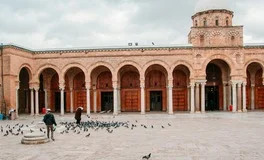
Tunis Medina: The UNESCO World Heritage old city (8km, 15-20 minutes) is one of best-preserved medieval Islamic cities in Arab world. The medina features winding narrow streets, covered souks selling carpets/ceramics/spices/leather goods, Zitouna Mosque (732 AD, Tunisia's most important mosque), Dar Ben Abdallah Palace (now museum of traditional life), traditional cafés, vibrant atmosphere. Avenue Habib Bourguiba (main modern thoroughfare) connects medina to new city - tree-lined boulevard with French colonial architecture, cafés, shops resembling Parisian avenue. Bardo Museum (4km west) houses world's finest collection of Roman mosaics - extraordinary mosaics from sites across Tunisia, essential visit. Tunis blends Arab-Islamic heritage with French colonial influence - Arabic and French widely spoken, European atmosphere alongside traditional medina life.
Ancient Carthage: These legendary ruins (5km from airport, on hill overlooking Bay of Tunis) preserve remains of Phoenician/Roman city that rivaled Rome until destroyed in 146 BC during Punic Wars, then rebuilt as major Roman city. UNESCO World Heritage site includes: Byrsa Hill (ancient acropolis with museum, panoramic views), Antonine Baths (vast Roman bath complex, 3rd-largest in Roman world), Roman Theater, Tophet (Phoenician sanctuary), Roman villas with mosaics, Punic ports. Carthage was Hannibal's city - legendary general who crossed Alps with elephants to attack Rome. Ruins are scattered across residential area - main sites accessible but require imagination as much destroyed. Essential for history enthusiasts - legendary name, significant remains, beautiful coastal setting.
Sidi Bou Said: This picturesque village (8km from airport, neighboring Carthage) is Tunisia's most photographed town - whitewashed buildings with blue doors/windows/railings, bougainvillea, cobblestone streets, stunning Mediterranean views. Sidi Bou Said features art galleries, craft shops, Café des Nattes (traditional café with mint tea, shisha, views), Ennejma Ezzahra Palace (music museum in ornate building), and romantic atmosphere. The village is small (can walk in 30 minutes) but absolutely charming - blue-white aesthetic similar to Greek islands but distinctly Tunisian. Very touristy but deservedly popular - essential photo opportunity. Best visited late afternoon for sunset views over Mediterranean and Bay of Tunis.
La Marsa and Beaches: This upscale coastal suburb (12km north, 20 minutes) features beautiful beaches, restaurants, cafés, nightlife. La Marsa Beach and Gammarth beaches offer fine sand, Mediterranean swimming, beach clubs. The area is Tunis' elite neighborhood - ambassadors, wealthy Tunisians, expatriates. Excellent seafood restaurants, European atmosphere. Nearby Marsa Plage offers water sports. The coast from Carthage north to La Marsa/Gammarth is Tunisia's most developed beach area - upscale, cosmopolitan, safe. Beaches clean by Mediterranean standards though not pristine compared to Tunisia's island resorts.
Tunisian Cuisine: Tunisia's food blends Arab, Berber, Mediterranean, French influences. Signature dishes: couscous (steamed semolina with vegetables, meat, fish), brik (crispy pastry filled with egg, tuna, harissa), mechouia salad (grilled vegetables with tuna, egg), harissa (spicy chili paste - Tunisian staple), tajine (baked egg dish unlike Moroccan tagine), lamb dishes, excellent seafood. French influence evident - baguettes everywhere, café culture, wine production (Tunisia produces quality wines - Magon, Château Mornag). Mint tea ubiquitous. Tunisian food excellent - more refined than some North African cuisines, harissa gives distinctive spicy kick.
Tunisia Context: Tunisia is North Africa's most European-influenced country - 75 years French protectorate (1881-1956), French widely spoken, European lifestyle aspects, women's rights relatively advanced (hijab optional, women prominent in society), cosmopolitan outlook. Tunisia is Muslim-majority but moderate, secular - alcohol legal and available, modern dress common in cities. The country had Arab Spring revolution 2011 (started here), experienced terrorism 2015 but security improved significantly. Tourism recovering after setbacks. Tunisia offers North African experience with European comfort - safe, easy to travel, affordable, fascinating history (Phoenician/Roman/Arab/French), beautiful beaches, Sahara desert access. Climate: hot dry summer (30-40°C), mild winter (10-18°C), spring/autumn ideal. Peak season: July-August (very hot). Best: April-June, September-October.